
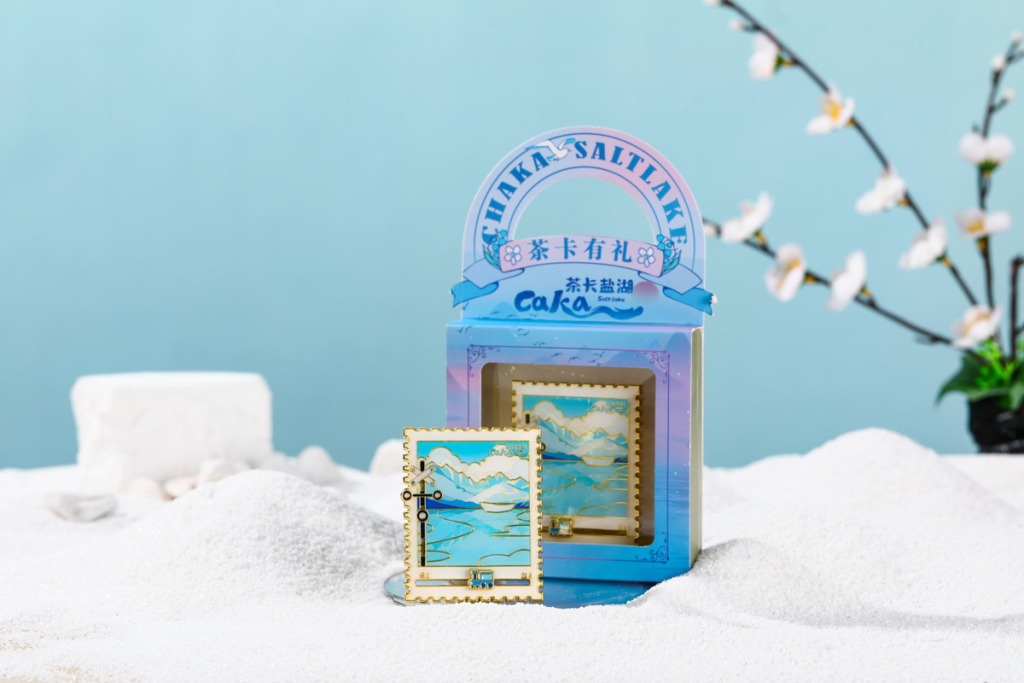
A coordinated collection should feel related at first glance while allowing each product to perform its own role. A pin, keychain, magnet, medal and boxed set can share one visual direction without sharing identical dimensions, attachments or manufacturing routes.
The planning task is to decide what stays consistent across the range and what changes by product. Doing this before separate artworks are approved makes sourcing, sampling and presentation easier to control.
Define the program and audience
Start with the commercial purpose: retail assortment, event merchandise, commemorative set, employee recognition, promotional gift or another program. Identify who will receive the items, how they will be sold or distributed and whether they need to work individually or as a complete set.
This context guides the product mix. A collector-focused range may emphasize variation and display, while a practical promotional set may prioritize everyday attachments and compact packing.
- Audience and use occasion
- Sales, gift or event channel
- Individual items or complete set
- Target presentation and handling
Create a shared visual system
Choose a small set of recurring elements: outline style, plating direction, color palette, logo treatment, border language, character scale or back mark. These elements establish family resemblance even when product shapes vary.
Avoid copying one artwork unchanged onto every format. The visible area, viewing distance and attachment differ between a small pin and a larger medal or ornament. Adapt the composition while preserving the agreed visual rules.
Assign a role to each product
Each item should have a clear purpose in the range. Pins and badges may provide compact collectible designs; keychains add movement and daily use; magnets suit display; medals support recognition; boxed assortments create a higher-value presentation.
A role-based plan helps avoid redundant products and clarifies which details deserve the most investment. It also makes the inquiry easier to quote because quantities and packing can be defined by item rather than guessed from one total.
- Collectible or wearable item
- Functional everyday accessory
- Display or souvenir piece
- Recognition item
- Grouped gift presentation
Coordinate construction without forcing it
Use common finishes where they make sense, but let construction follow the product. A keychain may need a robust ring and connector, a magnet needs suitable back placement, and a bottle opener must preserve the working edge. These requirements should not be compromised simply to match a pin.
Record shared requirements in a master brief, then provide an item-specific specification for size, attachment, reverse side and packing. This separates collection-wide approvals from product-level engineering decisions.
Plan sampling and approvals
Decide whether the whole collection must be reviewed together or whether priority items can be approved first. A shared color or plating reference may need to be checked across several products because surface area and process can change how it appears.
Use consistent file names, item numbers and revision labels. When one design changes, confirm whether the change affects only that item or the visual rules for the full range.
Design the presentation as part of the range
Backing cards, pouches, trays and boxes influence the perceived relationship between products. Define how each item is fixed, protected and oriented, and check that attachments do not scratch adjacent pieces or distort the presentation.
The final RFQ should list each item, quantity, finish, attachment and packing method, followed by collection-wide requirements. This gives the supplier a structured basis for reviewing tooling, sampling, production and packing as one program.
- Individual item specification
- Shared finish and artwork rules
- Card or box layout
- Protection between components
- Quantity by item and set
Ready to Apply This?
Share the information you have and flag any decisions that still need technical input.